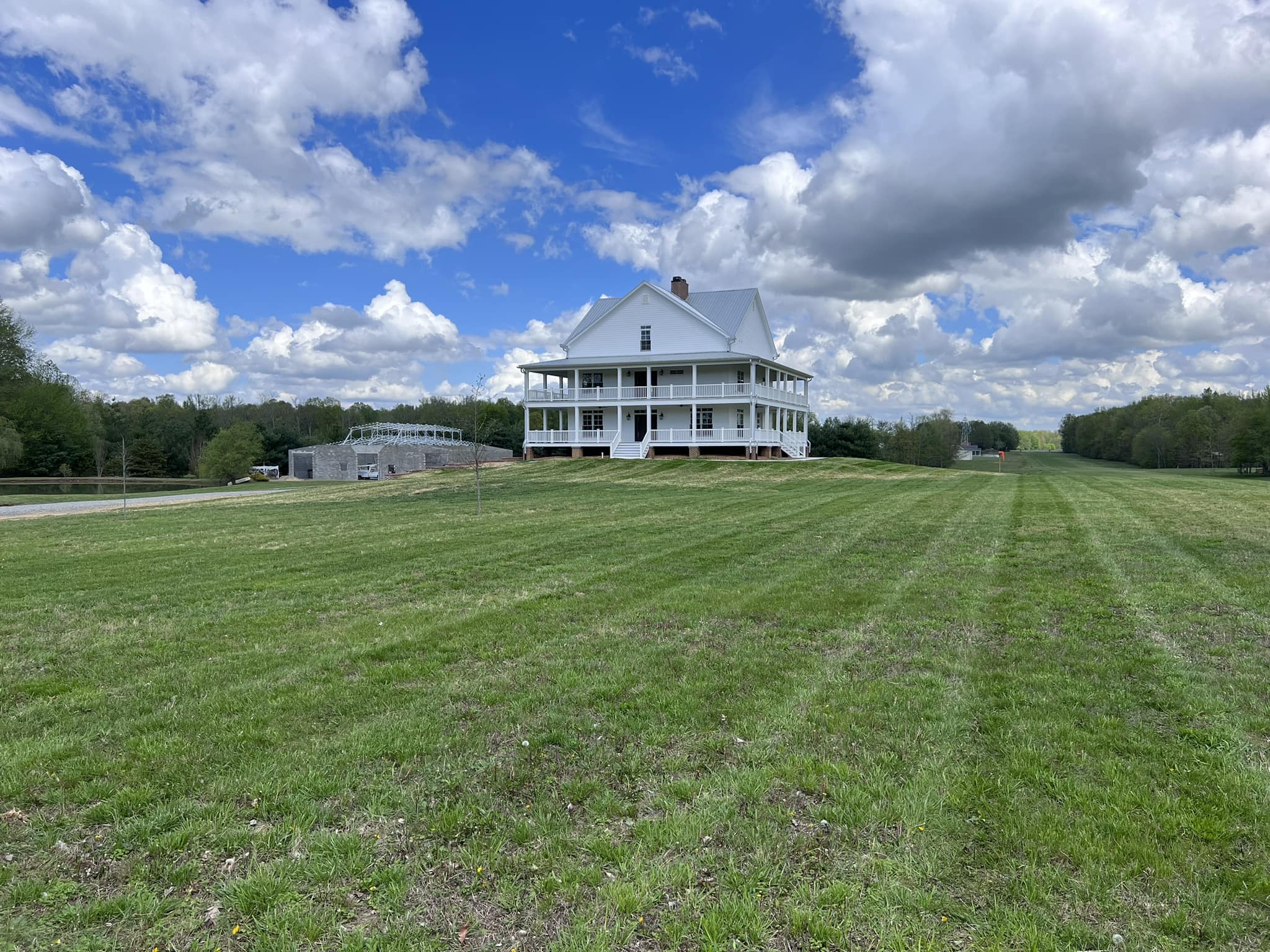
Climate-Optimized Landscaping: Designing Resilient Gardens for Every Environment Feb 24, 2026
Understanding your local climate is the first step in designing a climate-optimized landscape. Every region has unique climate patterns, including temperature fluctuations, rainfall variations, and soil conditions. Begin by researching the typical climate of your area. This knowledge will guide your plant selections and layout. For instance, if you reside in a region prone to drought, consider incorporating drought-tolerant plants that require less water. Fescue 911’s experienced team can help you choose the right flora that aligns with your local climate, ensuring a lush and sustainable garden.
Another key aspect of climate-optimized landscaping is selecting native plants. Native plants are inherently adapted to the local climate and require minimal maintenance once established. They are more resistant to local pests and diseases, reducing the need for chemical interventions. Utilizing native plants not only conserves water but also supports local wildlife. Birds, bees, and butterflies often rely on native plant species, making your garden a haven for biodiversity. Fescue 911 is dedicated to promoting ecological balance by integrating native plants into their landscaping designs.
Efficient water management is crucial in maintaining a resilient landscape. Implementing smart irrigation systems can significantly reduce water waste and improve the health of your plants. Consider installing drip irrigation systems, which deliver water directly to the roots, minimizing evaporation. Rainwater harvesting is another sustainable practice that conserves water efficiently. By collecting and storing rainwater, you can reduce dependence on municipal water supplies. Fescue 911 offers innovative solutions for optimizing water use in your garden, ensuring sustainability and cost-effectiveness.
Incorporating hardscaping features is another strategy to enhance climate resilience. Hardscaping involves the use of non-plant elements such as pathways, patios, and retaining walls. These features not only add aesthetic value but also help manage water flow and prevent erosion. Permeable paving options allow water to infiltrate the soil, reducing runoff and promoting ground absorption. By blending softscaping and hardscaping elements, you create a balanced and enduring landscape design.
Using organic mulch is a simple yet effective practice for climate-optimized landscaping. Mulch acts as an insulator, regulating soil temperature and conserving moisture. It also suppresses weed growth and enriches the soil as it decomposes. Organic mulches like wood chips, straw, or compost are environmentally friendly choices that complement your garden's natural ecosystem.
In conclusion, designing a climate-optimized garden requires thoughtful planning and an understanding of your environment. By selecting appropriate plants, employing efficient water management techniques, and integrating hardscaping elements, you can create a resilient landscape that stands the test of time. Fescue 911's expertise in landscaping and hardscaping services ensures that your garden not only survives but thrives in the face of climate challenges. Embrace the principles of climate-optimized landscaping and transform your outdoor space into a sustainable sanctuary.
/filters:no_upscale()/filters:format(webp)/media/eb3e6091-e694-4e07-8894-48d22fb35eb0.jpeg)
/filters:no_upscale()/filters:format(webp)/media/cb58af2f-2519-4cab-aff4-2f35147aa7fd.jpeg)